
In Conversation with HR and L&D Leaders About the Impact of Coaching at Every Level
By Damian Culhane, Head of Coaching – The Oxford Group
If you spend any time talking to leaders right now, you will hear the same thing: the pace of work is faster, expectations are higher and taking time to pause – really pause – feels like a luxury.
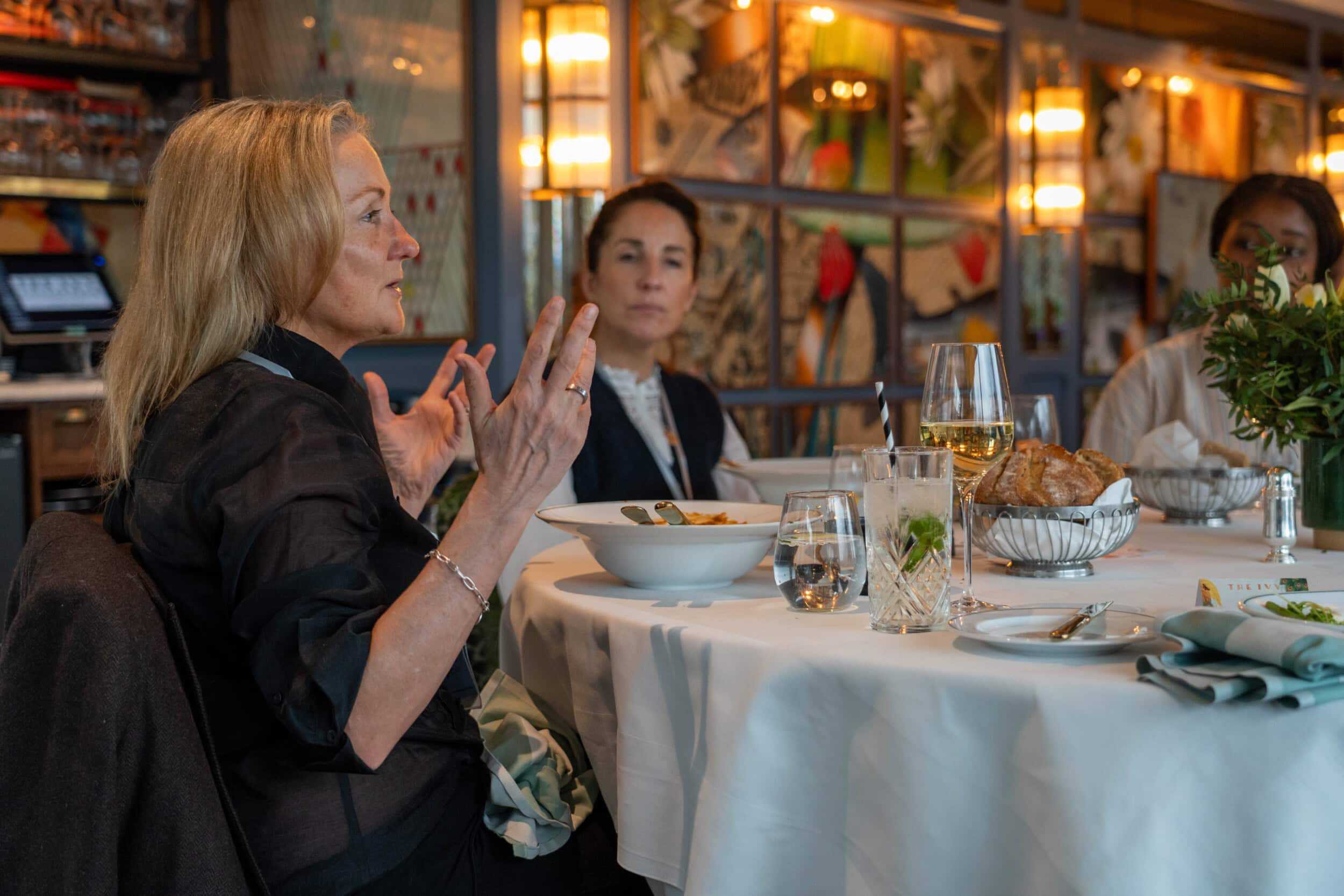
These sentiments were front and centre at The Oxford Group’s recent coaching event with HR and L&D leaders, where like-minded professionals openly shared how stretched and complex leadership has become. On a brighter note, the conversations felt hopeful, as our guests at the event reflected on the power and value of coaching to support leaders to navigate challenges and change.
The discussion throughout the event made something very clear: coaching isn’t a luxury anymore – it is a strategic lever for building capability, resilience, and culture throughout the organisation. And leaders were surprisingly aligned on where its value really lies.
Coaching creates the valuable space that leaders need
One of the clearest themes was how coaching gives leaders – and their teams – something they rarely get: thinking space. In a world where change feels constant, coaching creates room for clarity and reflection.
Maria Clancy, Talent Development Manager at QBE, captured this perfectly:
“Change has never happened faster… supporting our leaders gives them the time and capacity to reflect on the changes they need to make.”
HR leaders at the event echoed this repeatedly. Many said that coaching conversations provided their people with crucial moments in the week that felt calm and focused. And that space matters. When people get the chance to slow down, however brief, they think more clearly, their decision making improves and their confidence grows.
Coaching builds agency – and agency builds performance
Coaching doesn’t just give space – it gives ownership. And ownership is where performance begins.
Teb Moema, Talent Coach at PwC, expressed this clearly:
“Coaching allows people to take agency and autonomy over their work performance… and the coaching culture spreads organically.”
This shift from dependency to autonomy was something many leaders in the room recognised. They spoke about how coaching helps individuals take responsibility, challenge themselves and find their own answers instead of waiting for direction. When people feel more in control, they perform better, leaders are empowered to delegate more and teams move faster – unlocking the team potential for high performance.
Trust – the magic ingredient that creates high performing leaders
Every meaningful coaching moment begins with trust. Without it, coaching stays surface level. With it, people open up, explore difficult topics and create genuine shifts in behaviour.
Leaders at the event described the relief of having – or seeing their people have – a space where they can be honest without judgement. That trust then travels back into the workplace, strengthening communication, relationships, and team collaboration. Trust isn’t soft. It is productive, and it drives performance where psychological safety has been developed.
The Ripple effect of coaching
One of the strongest messages from the event was that coaching drives impact far beyond the senior leadership population. Talent shows up everywhere – and coaching helps it grow.
Maria described how this creates a ripple effect:
“Senior leaders we coach then coach their direct reports – and it has a knock on effect throughout the organisation.”
When coaching is available across levels, capability grows everywhere – not just at the top, and enhanced performance cascades and flows to all levels of the organisation..
Coaching strengthens culture – and builds resilience
Culture came up repeatedly during the event, especially the link between coaching and confidence.
Teb said it simply and powerfully:
“Coaching builds confidence… the antidote to a non-resilient environment.”
Leaders agreed. Coaching helps people handle uncertainty, stay grounded under pressure and communicate with more openness. Over time, these behaviours shape a culture that feels more resilient, human-centred, psychologically safe, where people feel more engaged and connected.
A personal reflection
Listening to leaders like Teb and Maria speak so openly, one thing struck me above everything: coaching is fundamentally relationship led and human centred. It isn’t about tools, frameworks, bots, and apps. It is about building trust, creating the conditions for people to think clearly, feel supported and grow in ways that matter.
Coaching is no longer a nice to have. It is a catalyst for capability, culture and resilience. And it is exactly what we at The Oxford Group are committed to delivering – human connection, personalised insight and meaningful, measurable impact at every level of an organisation.
If you would like to explore how coaching could support your people, I would love to continue the conversation – and feel free to get in touch via Damian.Culhane@oxford-group.com